BrixtGuide is an independent job search aggregator. We may earn a commission when you click through.
Warehouse Job Myths That Could Cost You a Paycheque
Three KAP Logistics roles show why warehouse work is broader than picking boxes, with technical, rail, and environmental paths to compare.
The biggest warehouse-job myth is that every role means lifting boxes all day. KAP Logistics listings in Kazakhstan point to a wider picture: rail maintenance, production engineering, and environmental safety can all sit inside logistics. The listings do not show salaries, so pay should be confirmed before applying rather than guessed from the job title.
This guide separates the myths from what the listings actually support. One practical warning first: the three roles below are not beginner warehouse vacancies, and none states that training is provided.
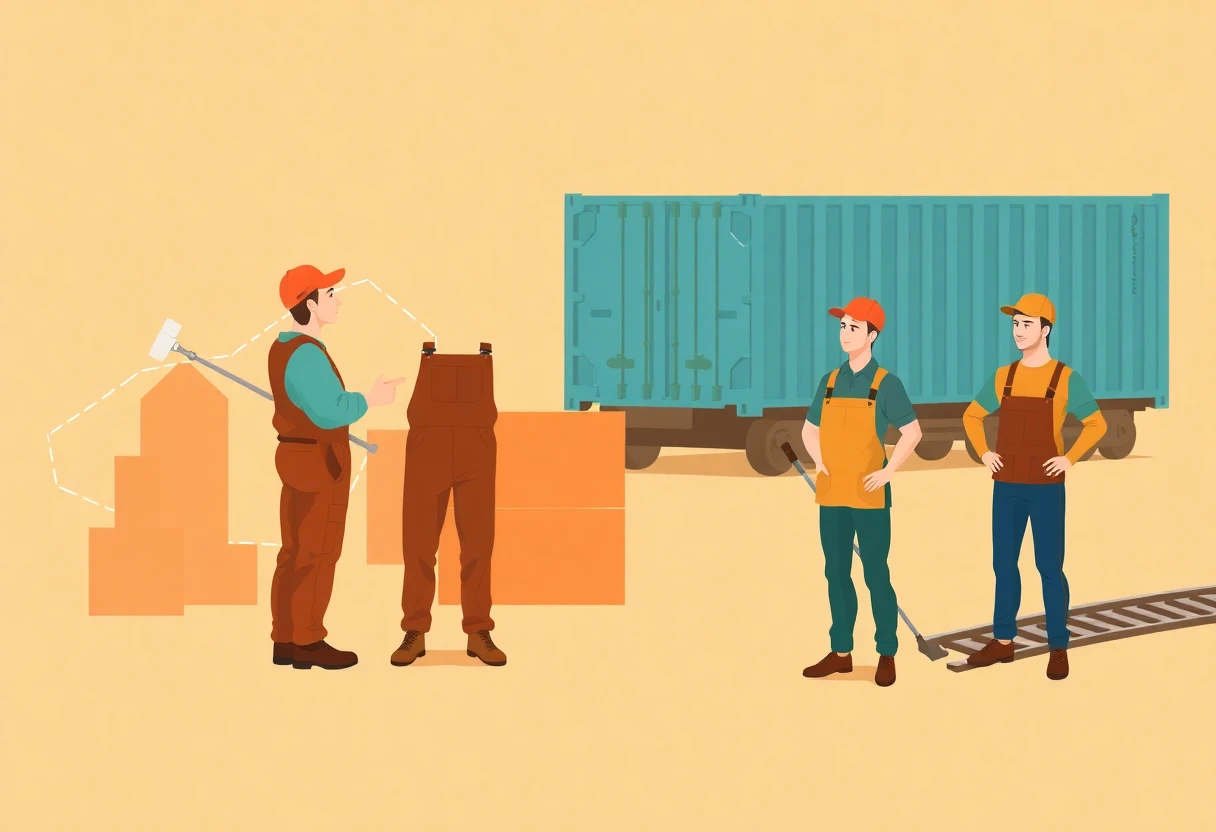
Myth 1: Logistics means only warehouse picking
Reality: The KAP Logistics vacancies include a railway track maintenance role, a production engineering role, and an environmental engineer role. That is a much wider spread than picking, packing, or loading.
What to do instead: Search by the task you can handle, not just by the word “warehouse.” Mechanical workers may find more relevant vacancies under rail or infrastructure. Technical candidates should search production and operations. Safety-focused applicants should check environmental and occupational-safety departments.
Track Installer at KAP Logistics Shieli-Sunkar Branch
The title identifies a railway track maintenance role at KAP Logistics’ Shieli-Sunkar branch, not a standard warehouse picker vacancy. It may suit someone comfortable with outdoor infrastructure work and practical maintenance, but the listing provides no salary, shift pattern, experience requirement, or training detail. Ask about weather exposure, travel between work sites, protective equipment, and overtime before applying.

The rail role is the clearest reminder that logistics can be physical without taking place inside a warehouse. Compared with the two office-and-technical listings below, it likely involves more site work, but the source does not confirm the daily conditions. Treat the title as a lead, not a complete job description.
Myth 2: Every logistics job is entry-level
Reality: These three listings include engineering and environmental titles. None says “no experience needed,” and none mentions paid training. A warehouse search can therefore return roles that require technical knowledge rather than a willingness to learn basic picking procedures.
What to do instead: Read the first qualification section carefully. If a listing asks for engineering education, safety knowledge, or rail experience, do not assume a general warehouse background will be enough. Look for assistant, trainee, loader, packer, or warehouse operative titles when you need an entry-level route.
Engineer of Production Technical Department at KAP Logistics
This production-technical department engineer role sits closer to planning, process control, and operations than hands-on warehouse work. It could suit a qualified technical worker who wants to move away from repetitive manual tasks, but the listing gives no pay, schedule, eligibility criteria, or benefits. Compared with the rail maintenance vacancy, it appears more production-focused; compared with an entry-level warehouse job, it is likely to demand stronger technical credentials.
The engineering title changes the comparison. The rail vacancy points toward field maintenance; this one points toward production systems. Neither should be presented as a quick first job without checking qualifications. The absence of salary information also means applicants should ask for the full compensation package before spending time on an application.
Myth 3: The office-based logistics roles are easier
Reality: Less lifting does not mean less responsibility. Production and environmental roles can involve procedures, inspections, documentation, compliance, and decisions that affect safety and operations.
What to do instead: Match the pressure to your strengths. Someone who dislikes heavy outdoor work may prefer technical coordination, but should be comfortable with records, rules, and accountability. Ask how much time is spent on site, what reports are required, and who signs off on safety decisions.
Environmental Engineer at KAP Logistics
The environmental engineer listing belongs to KAP Logistics’ occupational safety and environmental protection function, so it is not a warehouse-floor vacancy in disguise. It may suit an applicant with environmental or workplace-safety training who prefers compliance work over loading tasks. The listing does not state salary, qualifications, travel, or working hours, so those details need confirmation from the employer or job-board source.

Myth 4: A familiar company name tells you everything
Reality: All three listings are connected to KAP Logistics, but they sit in different branches and departments. The employer name alone does not tell you the location, supervisor, schedule, or day-to-day work.
What to do instead: Check the branch named in the listing. The rail and production roles identify the Shieli-Sunkar branch, while the environmental role names the central administration and production base. Confirm the exact workplace, transport arrangements, accommodation, and whether relocation is expected.
Myth 5: A job title is enough to judge the pay
Reality: No salary or hourly rate is supplied for any of these listings. Calling one “better paid” would be guesswork. A technical title may command more than an entry-level warehouse role, but the source does not provide evidence for a number.
What to do instead: Ask for gross pay, take-home pay, overtime rules, allowances, and payment timing. For remote or industrial locations, ask about transport, meals, accommodation, and rotation schedules because those can matter as much as the headline salary.
Myth 6: Applying broadly is always smarter
Reality: Sending the same CV to all three roles could weaken your application. A rail maintenance vacancy needs practical infrastructure experience; a production engineer role needs technical evidence; an environmental engineer role needs relevant safety or environmental work.
What to do instead: Tailor the first third of your CV to the vacancy. Mention equipment, rail or site work for the maintenance role; process improvement and production records for the engineering role; inspections, compliance, and environmental controls for the safety role. If you have no matching background, search for junior or assistant vacancies instead of forcing a weak application.
For the source listings, applicants can review the relevant Talent.com Kazakhstan job board pages and verify current details before applying. KAP Logistics’ official company information should also be checked through its official logistics website, if the employer directs applicants there. The available listing data does not confirm pay, benefits, qualifications, or closing dates.
What actually matters
Warehouse and logistics work is not one job. The three KAP Logistics listings show three different tracks: practical rail infrastructure, production engineering, and environmental safety. The right match depends on your skills, tolerance for site work, and qualifications—not on the word “logistics” alone.
Need a more customer-facing route after comparing operations roles? Retail Sales Jobs in Astana: October Picks to Consider covers a different path with clearer day-to-day interaction and sales responsibilities.
 W